Two Songs, One Ear, Three Reasons to Dance
How can someone listen to two songs at once?
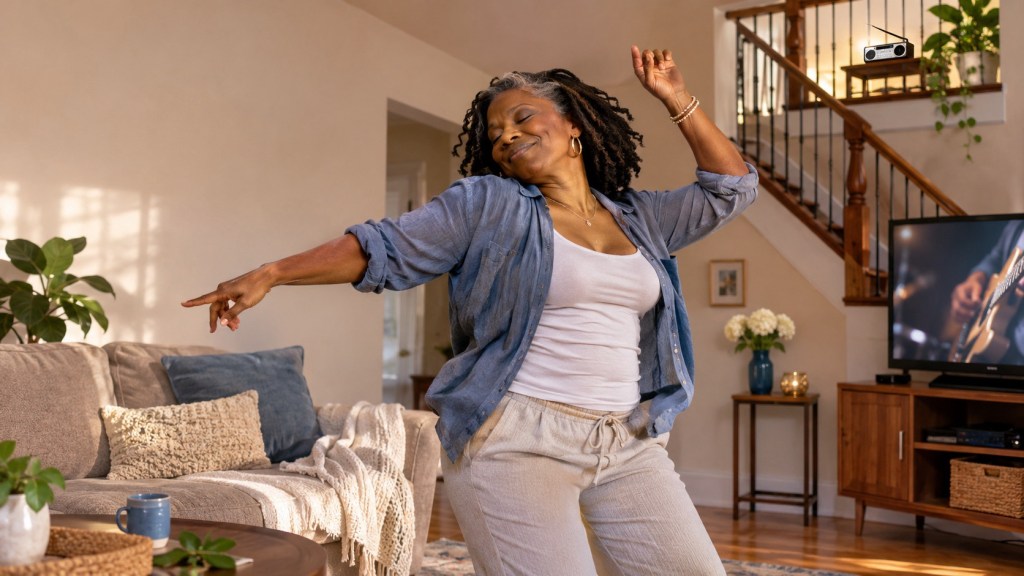
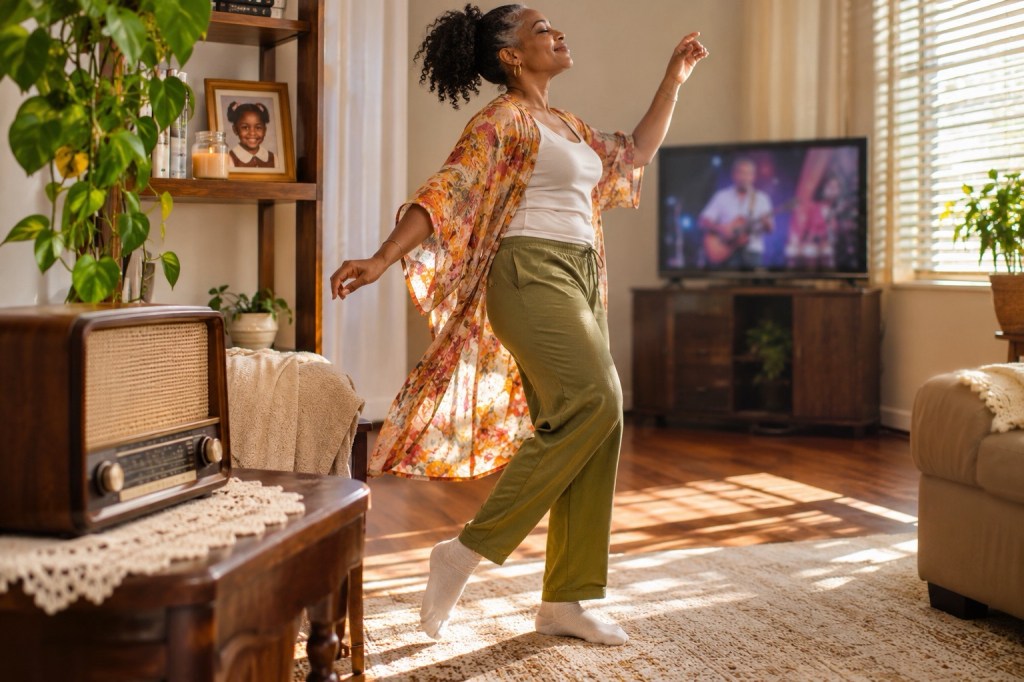
The television played a favorite song from high school, while upstairs, the radio played one loved since childhood. Each song belonged to a different season of life. One brought back the memories of growing up; the other reached toward the playful child who could dance without worrying about how it looked. The house was noisy, but the noise was welcome. It brought memories and feelings into the room.
There was one ear trying to follow both songs. The sounds came from different directions, yet neither had to drown out the other. That became part of the moment’s meaning: different feelings can arrive together, too. Laughter can sit beside pain; frustration can exist alongside hope. The songs were not only reminders of the past. They made space for whatever needed to be felt in the present.
And then came the dancing. It did not have to solve anything or explain itself to anyone watching. It could simply give the feelings somewhere to go and let the body take part in the moment. There were three reasons to dance.
First, dance can offer a way to release pain, anger, rage, frustration, and regret. For someone who has been reacting in anger or aggression, moving to music may provide a different outlet—a chance to pause and let some of that intensity pass without directing it at someone else. Dancing does not erase what happened, but it can help make room to respond differently.
Second, dance can express happiness, joy, and contentment while making room for hope and faith in the future. Tomorrow may be uncertain, but a person can still move toward it with a little hope. The joy may look childlike to an onlooker, who may not know the faith or determination carried in those steps.
Third, dance is exercise and a reminder to make room for personal care. Moving the body can be a simple way to prioritize well-being. Habits can become difficult to change once they are established, so making movement and self-care part of a routine can be a meaningful choice.
The music might bring back the child who loved dancing to Michael Jackson. It can also become a lighthearted test: are those old steps still there, or will the knees request a warm-up first? Either way, the dance belongs to the person moving—not to the audience judging it.
Two songs. One ear. Three reasons to dance: to release difficult feelings, to welcome joy and keep faith, and to care for the body.
Some mornings, the house needs to be noisy. The heart needs a rhythm. And the child who once loved to dance deserves room on the floor.